
Was Rockefeller Really the First Billionaire?
In September 1916, American newspapers reported that rising Standard Oil of New Jersey shares had pushed John D. Rockefeller’s estimated fortune past a billion dollars, on paper. He had not discovered oil, and he had not drilled the first well. What he sold was simpler: light, in the form of cheap kerosene for the lamps of millions of homes. And when the United States government finally broke his company apart, the break-up made him richer still.[1][7]
Prefer to watch? The animated version follows the whole story, from a teenage bookkeeper’s notebook to the 1911 break-up.
A bookkeeper who counted every cent
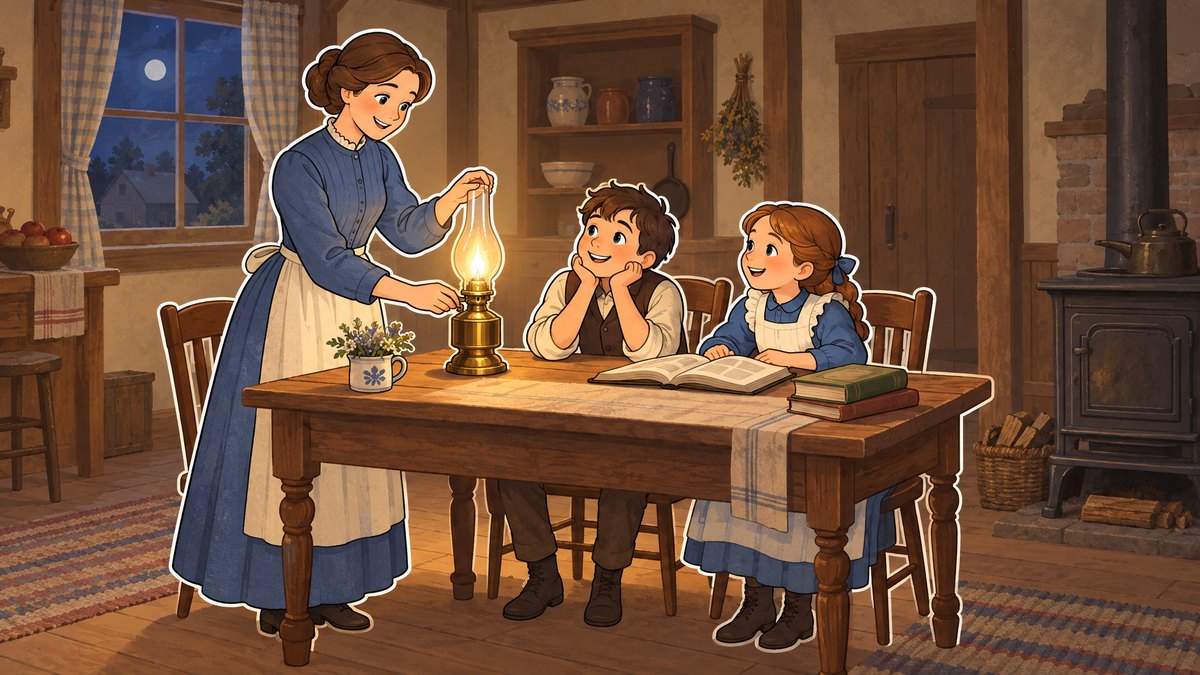
Rockefeller was born in rural New York in 1839. His father was a travelling seller of so-called miracle cures who was often away for months. According to Chernow’s account, his mother ran a careful, frugal home.[1] At sixteen, in Cleveland, he went from office to office looking for work. On 26 September 1855 a produce firm hired him as an assistant bookkeeper, and for the rest of his life he celebrated that date every year.[1][5]
He started on about sixteen dollars a month. According to Chernow’s account, he kept a personal ledger called Ledger A, recording his pay, his spending and his gifts to his church. At nineteen, he reportedly borrowed money from his father, at interest, to help start his first business.[1] That habit of counting every cent would shape the way he ran a business.
Oil was for light, not cars
In 1859 Edwin Drake’s crew struck oil near Titusville, Pennsylvania, helping launch the Pennsylvania oil rush, and the valleys nearby filled with wooden derricks and fortune hunters.[18] The main product was kerosene, a lamp fuel cheaper than whale oil.[5][16]
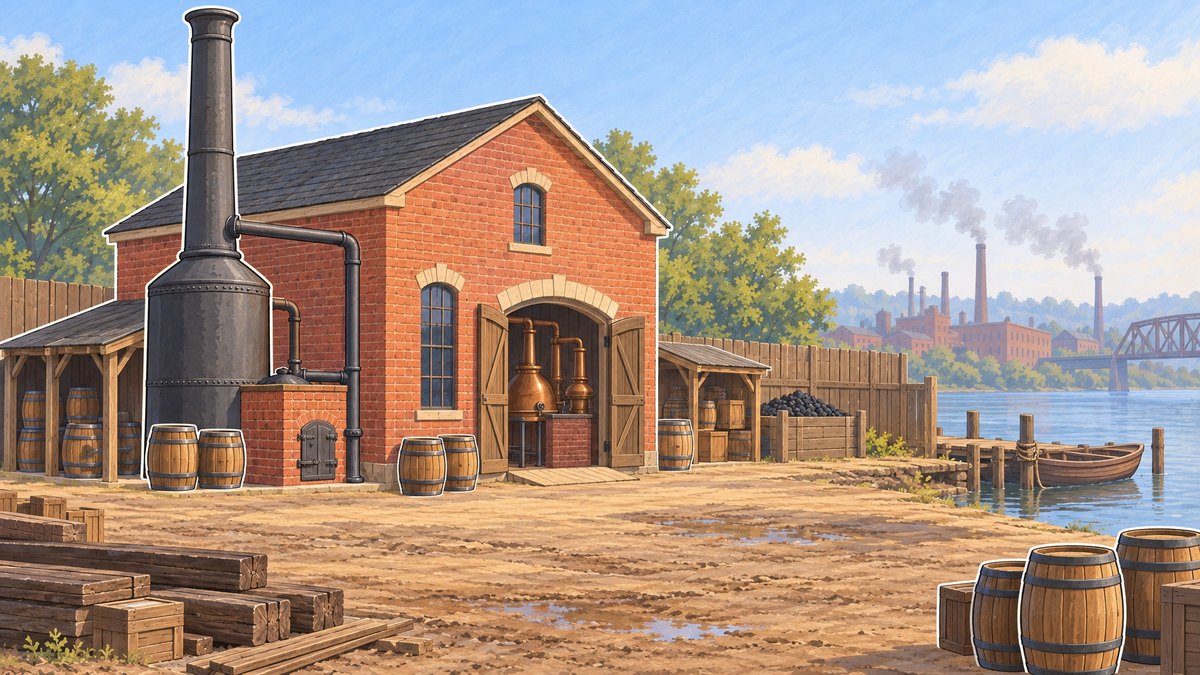
In 1863 Rockefeller put money into a refinery on the riverbank in Cleveland with a chemist named Samuel Andrews. Two years later he won control of it at an auction, for 72,500 dollars.[1][14] The oil business was chaos, with prices crashing and soaring. By most accounts, Standard made its own barrels and found markets for by-products that other refiners often discarded; gasoline initially had little commercial value.[1][13] In 1870 he and his partners, including the deal-maker Henry Flagler, formed the Standard Oil Company.[1][13]
The railroad secret
Oil travelled by rail, and Standard was becoming the biggest shipper around. The railroads gave it secret rebates: money back off the published price on the barrels it shipped. Rivals without those discounts paid more. Imagine a toll road where your rival pays less at every booth; over time that difference decides who survives. To be fair, railroads gave rebates to many big shippers in that era, but Standard’s were unusually large, and critics said they made fair competition impossible.[2][5]
In early 1872 word leaked of a secret plan called the South Improvement Company. The proposed agreement would raise published freight rates for all refiners, give participating refiners, Standard among them, rebates, and pay them “drawbacks”: a share of the freight charges paid by non-members.[2][5] Oil country exploded in protest, and within weeks Pennsylvania cancelled the company’s charter. It never shipped a single barrel.[2][5] But Rockefeller was already moving. In about six weeks that winter he bought out most of his Cleveland competitors, by the usual count twenty-two of twenty-six. Owners were offered cash or shares in Standard Oil. Some who took shares did very well; many others sold under pressure. Critics later called it the “Cleveland Massacre”.[5][14] By about 1880 Standard Oil refined roughly nine out of every ten barrels of oil in America.[6][13]
The trust, and the word “antitrust”
Standard now owned companies in many states, which the law made difficult. So in 1882 its lawyers built something new: the Standard Oil Trust, in which shareholders of about forty companies handed their stock to nine trustees who ran everything as one. On paper they were separate companies; in reality they were one giant. That is why laws against monopolies are still called antitrust laws.[13] By most accounts, Standard built pipelines, ran its own tank cars and sold kerosene down to village shops.[1][5] Chernow credits Standard with substantially lowering kerosene prices, an achievement admirers emphasise, while critics stress its pressure on rivals.[5]
In 1890 Congress passed the Sherman Antitrust Act.[4] Two years later, under Ohio law, a state court ordered Standard of Ohio out of the trust. The group reshuffled its paperwork and carried on, and by 1899 it sat under a single New Jersey company. By then Rockefeller was one of the richest men alive, and by the late 1890s he had stepped back from daily management, though he kept his shares and the title of president.[5][13]
Ida Tarbell takes on Standard Oil
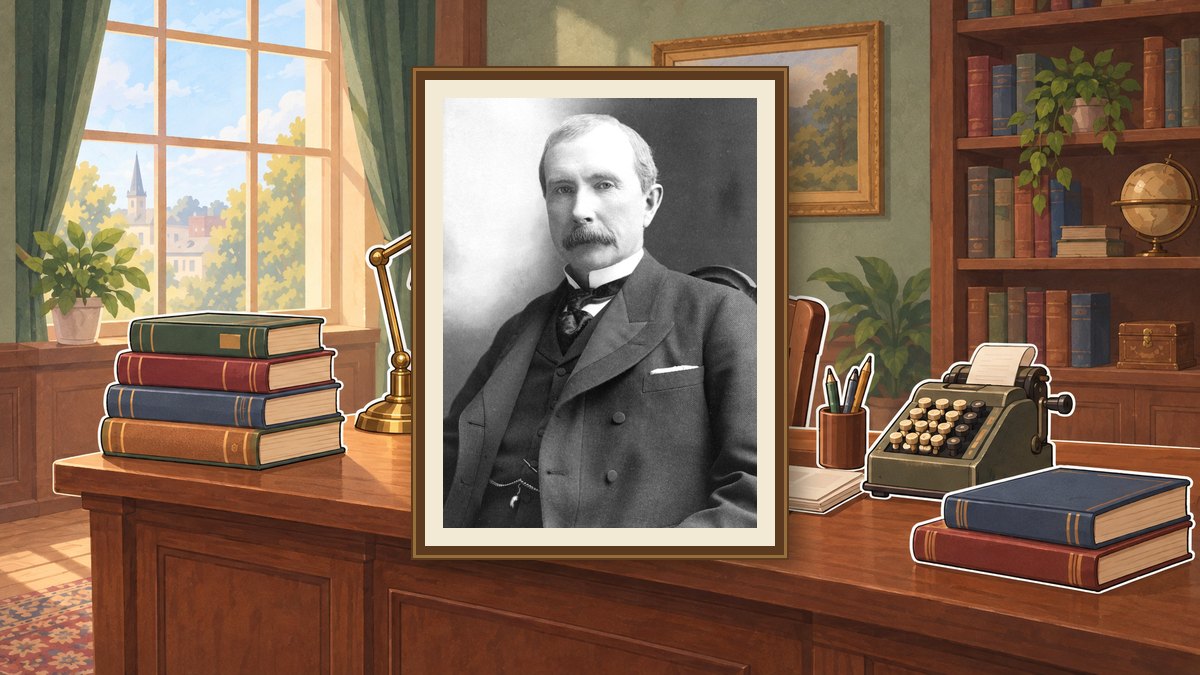
Then Ida Tarbell investigated how Standard Oil grew. She grew up in Pennsylvania oil country; her father was an independent oilman, and she was fourteen when the South Improvement fight hit her town. In November 1902 McClure’s magazine began publishing her investigation, which ran for two years. She worked through piles of court records, testimony and reports, and interviewed one of Standard’s top executives, Henry Rogers. In 1904 the series became a book, The History of the Standard Oil Company, which laid out the rebates, the pressure on rivals and the secrecy, one document at a time.[2][5]
The same year, the magazine Puck printed a famous cartoon showing Standard Oil as an octopus wrapped around a statehouse and the Capitol, reaching for the White House.[20] In 1906 President Theodore Roosevelt called reporters like Tarbell “muckrakers”, and his government took Standard Oil to court.[19][3]
The break-up that made him richer
On 15 May 1911 the Supreme Court ruled that Standard Oil had illegally monopolised the oil trade and gave it six months to break itself up.[3] It split into about thirty-four companies; some later became names you may know, such as Exxon, Mobil and Chevron.[13]
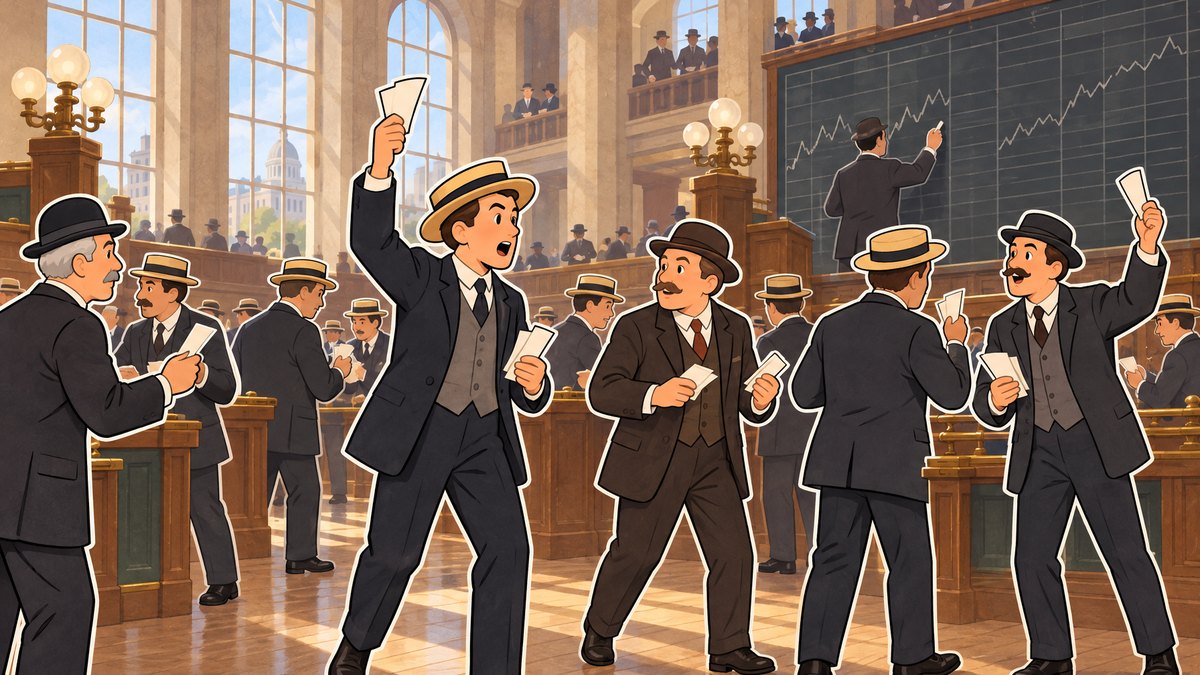
Here is the twist. Rockefeller owned about a quarter of Standard Oil, so he now owned about a quarter of every new company, and by most accounts the pieces were soon worth far more than the old whole.[1][7] Historical accounts describe cars spreading rapidly and demand for gasoline, once a low-value by-product, rising sharply.[15][16] The new companies’ shares climbed, and so did his fortune.
So was he really the first billionaire?
By September 1916, newspapers were declaring that a jump in his oil shares had made him a billionaire. But his own son called the figure an exaggeration. His best-known biographer, Ron Chernow, puts the peak of his fortune at about 900 million dollars, in 1913. And some historians say the first American billionaire was Henry Ford instead.[7][1] So “first billionaire” was a headline, on paper, rather than an exact count. What would his peak be in today’s money? Depending on how you measure it, by prices, by wages or by share of the whole economy, somewhere between tens of billions and hundreds of billions of dollars.[8]
Giving it away, and the critics
Rockefeller also gave much of it away. With his adviser, the Baptist minister Frederick Gates, he tried to give the way he did business: big, planned and measured.[9] He funded the founding of the University of Chicago and a medical research institute in New York that is now Rockefeller University, and he paid for a campaign against hookworm, a tiny parasite that was making huge numbers of people sick across the American South.[9][11][12] In 1913 he created the Rockefeller Foundation.[10] His lifetime charitable giving is generally estimated at roughly half a billion dollars.[1][13]
Critics called it tainted money, earned through ruthless business. In 1914, at Ludlow, Colorado, about twenty people, including children, died when troops and guards attacked a tent camp of striking coal miners. The main company they were striking was largely controlled by the Rockefeller family.[17] His son, John D. Rockefeller Jr., represented the family’s interests and faced fierce public anger.[5][17] In old age, Rockefeller became famous for handing out dimes; his publicist Ivy Lee was credited with cultivating this kindly public image.[6] He died in 1937, aged ninety-seven.[5]
Hero or villain?
Rockefeller got so rich through cheap light that millions wanted, a fierce eye for cost, secret railroad deals and hardball buyouts, and a break-up that turned one giant into dozens of valuable pieces. His trust helped give antitrust laws their name, and Ida Tarbell’s work helped shape investigative journalism. Historians still argue over whether he was a hero or a villain. Perhaps he was both.
Sources
- Chernow, R. (1998). Titan: The Life of John D. Rockefeller, Sr. Random House.
- Tarbell, I. M. (1904). The History of the Standard Oil Company. McClure, Phillips & Co.
- Standard Oil Co. of New Jersey v. United States, 221 U.S. 1 (1911).
- Sherman Antitrust Act (1890). National Archives, Milestone Documents.
- PBS American Experience. The Rockefellers; Ida Tarbell.
- Library of Congress. John D. Rockefeller and Standard Oil (research guides and blog).
- Daugherty, G. (2016, updated 2024). Who Was Really the First American Billionaire? Money.
- Guinness World Records. Richest person ever (inflation-adjusted methods).
- Rockefeller Archive Center. Hookworm and the Rockefeller Sanitary Commission; Frederick T. Gates.
- The Rockefeller Foundation. Our history.
- University of Chicago. History of the University.
- Rockefeller University. History.
- Encyclopaedia Britannica. Standard Oil Company and Trust; John D. Rockefeller.
- Case Western Reserve University, Encyclopedia of Cleveland History. Standard Oil Co.; Rockefeller, John D.
- Cleveland Historical. Standard Oil.
- American Oil & Gas Historical Society. Petroleum in transportation.
- Colorado Encyclopedia. Ludlow Massacre.
- Drake Well Museum and Park. The Drake well, 1859.
- Roosevelt, T. (1906). The Man with the Muck-Rake (speech, 14 April 1906).
- Keppler, U. J. (1904). Next! Puck, 7 September 1904. Library of Congress.
- Portrait of John D. Rockefeller (1895), published by Scientific American (public domain).