The Dancing Plague of 1518: Did Anyone Really Dance to Death?
In summer 1518, people in Strasbourg danced in the streets and could not stop. The city’s own papers tell a stranger story than the famous death toll.

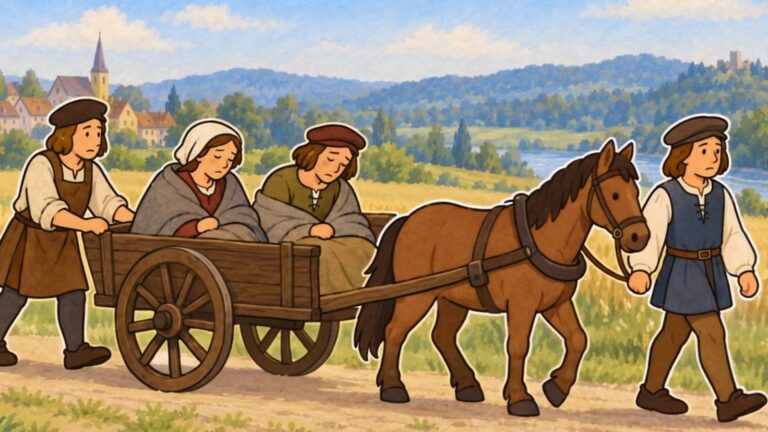
In summer 1518, people in Strasbourg danced in the streets and could not stop. The city’s own papers tell a stranger story than the famous death toll.

Babies remember more than you think, so why can’t adults recall their first years? Baby scanners, mouse labs and a famous false memory offer clues.
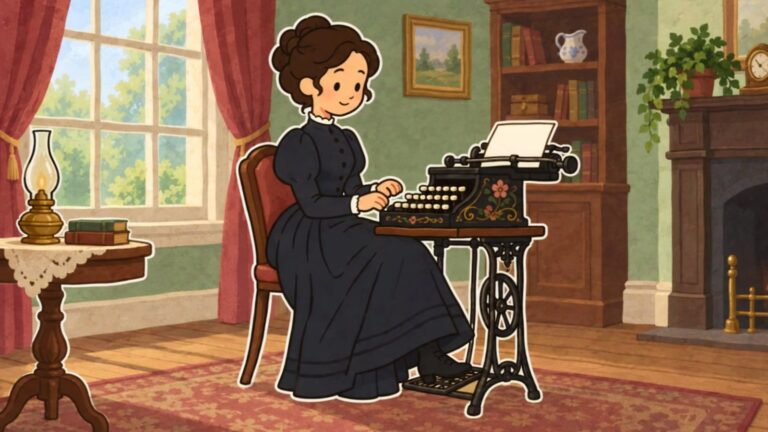
QWERTY wasn’t made to slow typists down. How a printer’s machine, a shift key, a typing contest and a merger made it the keyboard we still use.
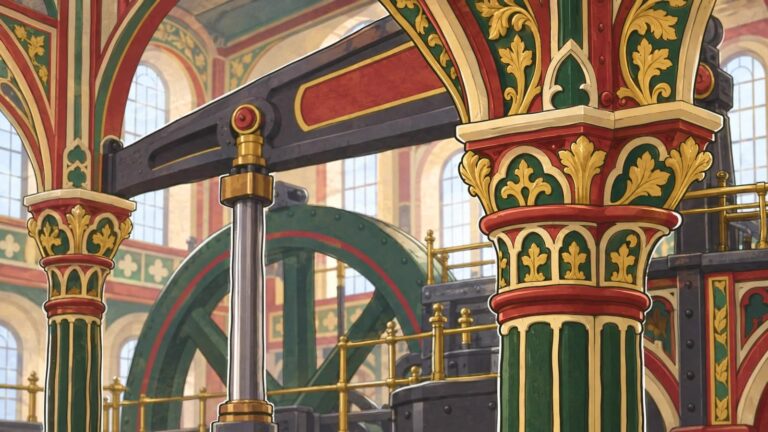
In 1858 the Thames stank so badly that Parliament funded Bazalgette’s sewers in weeks. The smell wasn’t the killer, but the sewers helped end cholera.
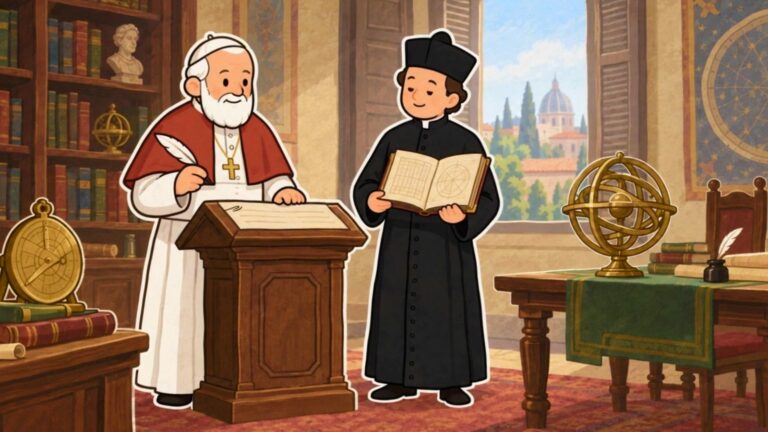
A year is about 365 days and almost six hours. How priests, Caesar and a pope patched the calendar, and why 2100 will skip its leap day.

In 1908 something exploded over Siberia and flattened millions of trees. So why did scientists find no crater?
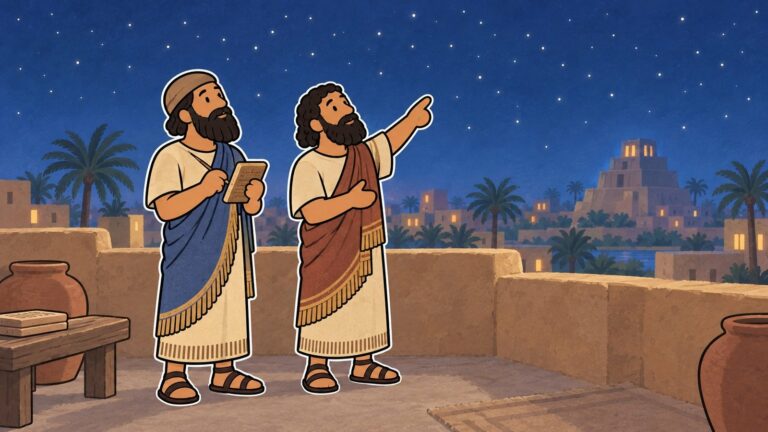
Why 360 and not 100? The popular Babylonian answer doesn’t hold up. The real trail runs from ancient account books to the night sky.
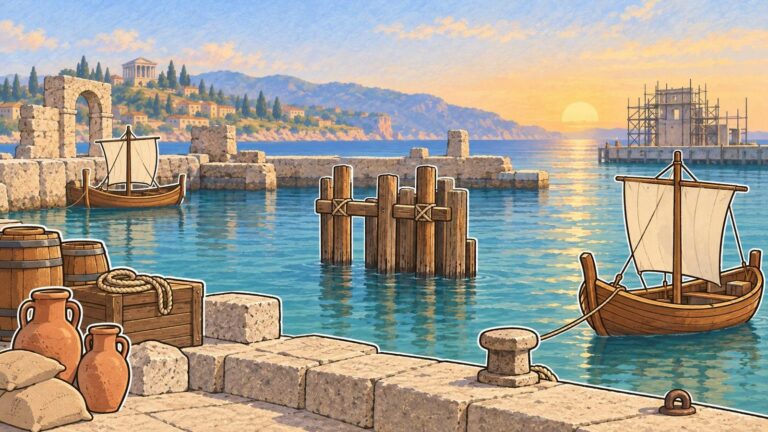
The Pantheon’s dome is about 1,900 years old, cracked and has no steel. Why does Roman concrete survive when it isn’t stronger than ours?
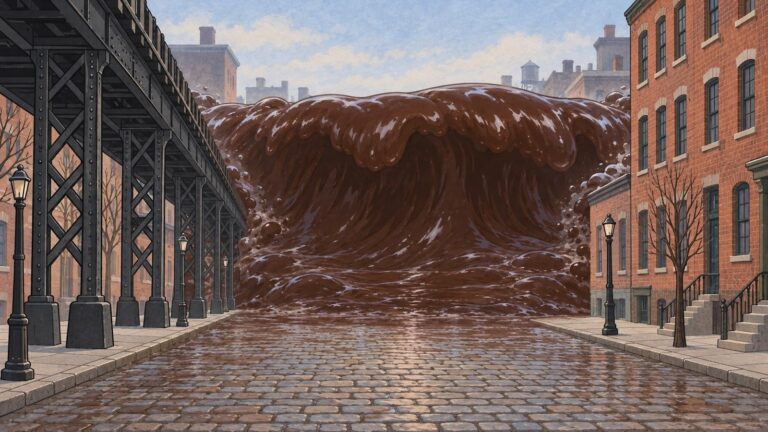
In 1919 a wave of molasses swept down a Boston street at about 35 miles an hour. How did something so slow become so deadly?
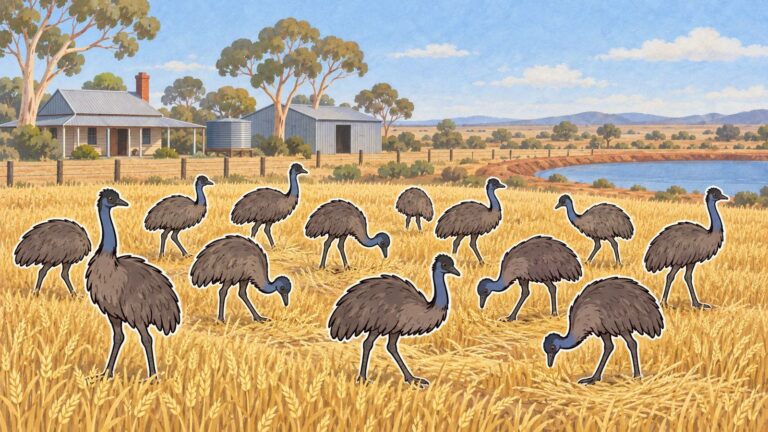
In 1932, three soldiers took two machine guns after an estimated 20,000 emus. Why is it remembered as the war the emus won?
End of content
End of content